How modern office space builds a company’s competitiveness today
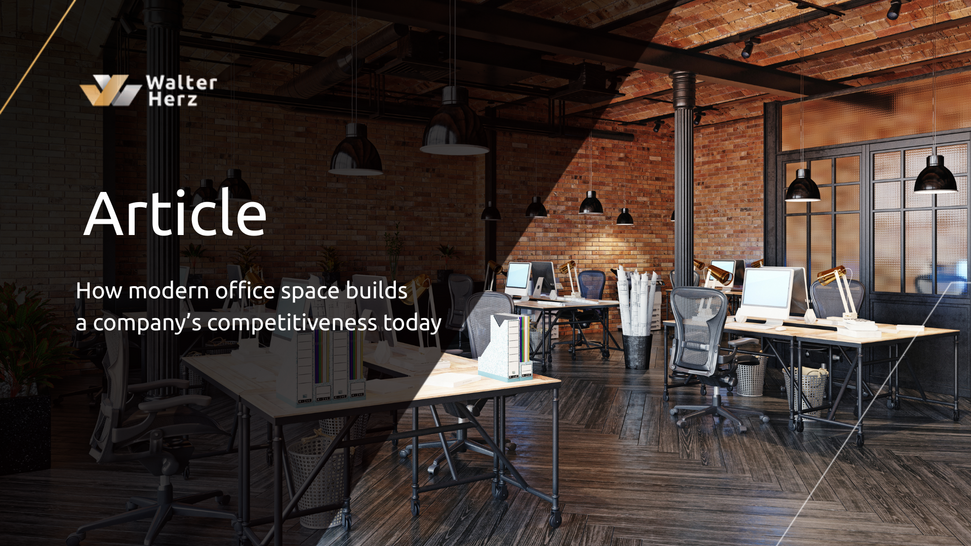
The layout, functional design, and quality of the work environment are increasingly becoming key carriers of organizational culture as well as strategic elements in management and building competitive advantage.
In the era of hybrid work, the office has assumed a new role. It has become the place where organizational culture, the company’s reputation, and its care for people are made tangible. Companies that understand this shift no longer view the office as a cost, but as a strategic tool for building engagement, satisfaction, and competitive advantage.
I believe the office today is an HR tool of strategic importance. When used effectively, the workspace not only supports everyday productivity but also becomes a key element in shaping a company’s identity and image, helping attract and retain talent. A well-designed office strengthens collaboration, openness, and integration. In a time of rapid change, the workplace has gained new significance, making this the right moment to redefine its role within the company’s strategy.
The office as a strategic factor
The quality of the work environment and the way space is used now signal whether a company is open, agile, and empathetic, or rather hierarchical and conservative. This is why—according to the Walter Herz report 26 Office Trends for 2026—decisions regarding the shape and design of the office should not be made solely within administrative departments. It is a strategic issue that requires collaboration between HR, team leaders, and the management board.
Organizations that fully understand the current role of the workplace are now analyzing the ROI of office investments not only in terms of cost per square meter, but also in terms of how the space affects retention, satisfaction, and performance.
Analyses show that the right investment in the office pays off through lower employee absence, reduced turnover, and higher team engagement. HR can play a key role here by incorporating ‘soft’ indicators into the hard calculations of office effectiveness.
Comfort and well-being as leading elements of employer branding
Employees return to places where they feel good. Job candidates pay attention to whether the work environment supports wellbeing, how well it is prepared for meetings, and how the space fosters integration. Properly designed areas, with zones for different types of work, a comfortable kitchen with access to daylight, an event space, and places for regeneration, as well as the latest technical solutions for communication and meetings, are becoming one of the most important elements of employer-branding strategies. It is a space that says more about the organization than any branding campaign. The office can therefore have a real impact on recruitment effectiveness and employee loyalty.
The priority when arranging a modern office space is therefore no longer solely the measurement of space efficiency, but user comfort. Ergonomic equipment, friendly lighting and acoustics, as well as quiet zones, collaboration areas, and leisure spots are now mandatory elements. Elements of biophilic design – greenery, wood, or other natural materials – that improve well-being and concentration are also widely incorporated into the space.
Companies, wanting to gain a recruitment advantage, also consider the neurodivergent needs of employees in space planning to meet the requirements of various employee groups.
Flexibility – key to organizational resilience and growth
The work environment is changing faster today than the office lease cycle. Therefore, organizations are increasingly choosing a flexible model, combining traditional offices with flex spaces or co-works. This allows for a quicker response to organizational changes and team growth. Such a solution provides the ability for rapid expansion, reorganization, or testing new locations, while simultaneously limiting financial risk. A flexible office is also a symbol of an adaptive culture, a clear signal to employees that the organization can quickly adjust to market conditions.
Thanks to new technologies, the office is also becoming a source of data that can be used to make better decisions. Desk booking systems, occupancy sensors, or analysis of conference room use allow for an assessment of which zones are actually needed. By combining this data with the results of satisfaction surveys and HR observations, a complete picture of the team's experience can be built, and key changes introduced based on this.
ESG – responsibility and reputation in practice
A sustainable office is no longer a trend, but a requirement. ESG-compliant solutions, such as energy-efficient lighting, green certifications, bicycle infrastructure, or utility consumption monitoring, are increasingly expected not only by investors, but also by employees. What is more, a responsible approach to the office environment positively impacts the perception of the employer brand, showing that the company cares about people and the planet, and not just the result.
The office has become a mirror of the organization – it shows who we are, how we treat people, and how we think about the future. A well-designed work environment strengthens culture, attracts talent, and builds a lasting advantage in the competition for the best employees. It is now, in the time of flexibility and hybrid work, that it is worth redefining what the office means to the organization and how important an investment in people it is.
Recommendations in brief
1. Include the office in your HR and employer branding strategy – treat it as an investment in people, not a cost.
2. Measure office satisfaction and analyze usage data – combine a soft and hard perspective.
3. Consider employee well-being and the needs of all employee groups when designing the space.
4. Build flexibility – both in office design and lease models.
5. Leverage the collaboration of the HR department, Facility Management, and the board to shape the office concept and create the most beneficial solutions for the company.
Author Magdalena Zagrodnik, Co-Owner, Head of HR & Marketing & Public Relations at Walter Herz