
-

Case study PayTel
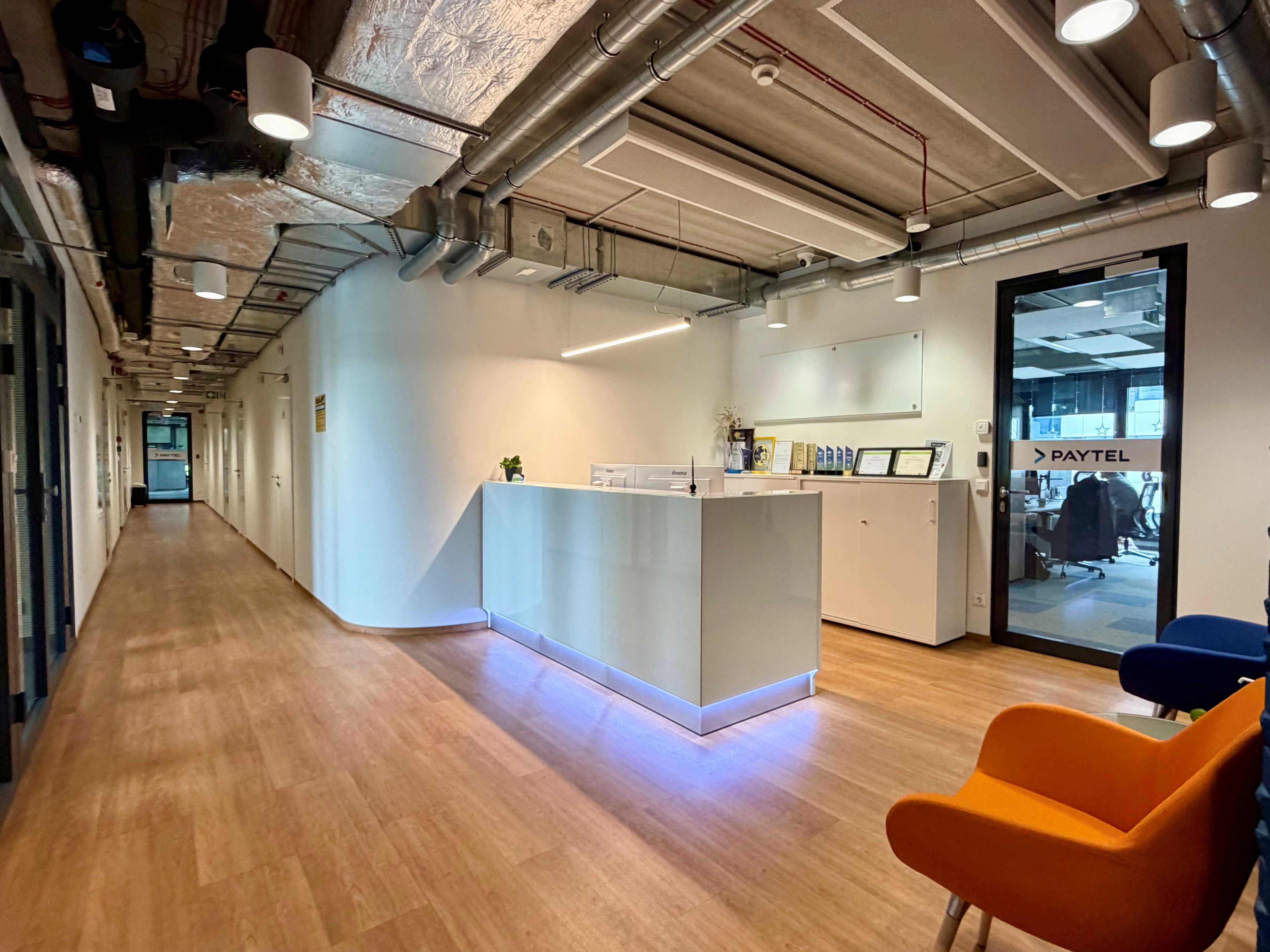
A workplace analysis made it possible to adapt the office to a growing team and hybrid work, increase the functionality of the space, and avoid a costly relocation.

PayTel
payment services
900 sqm
Warszwa
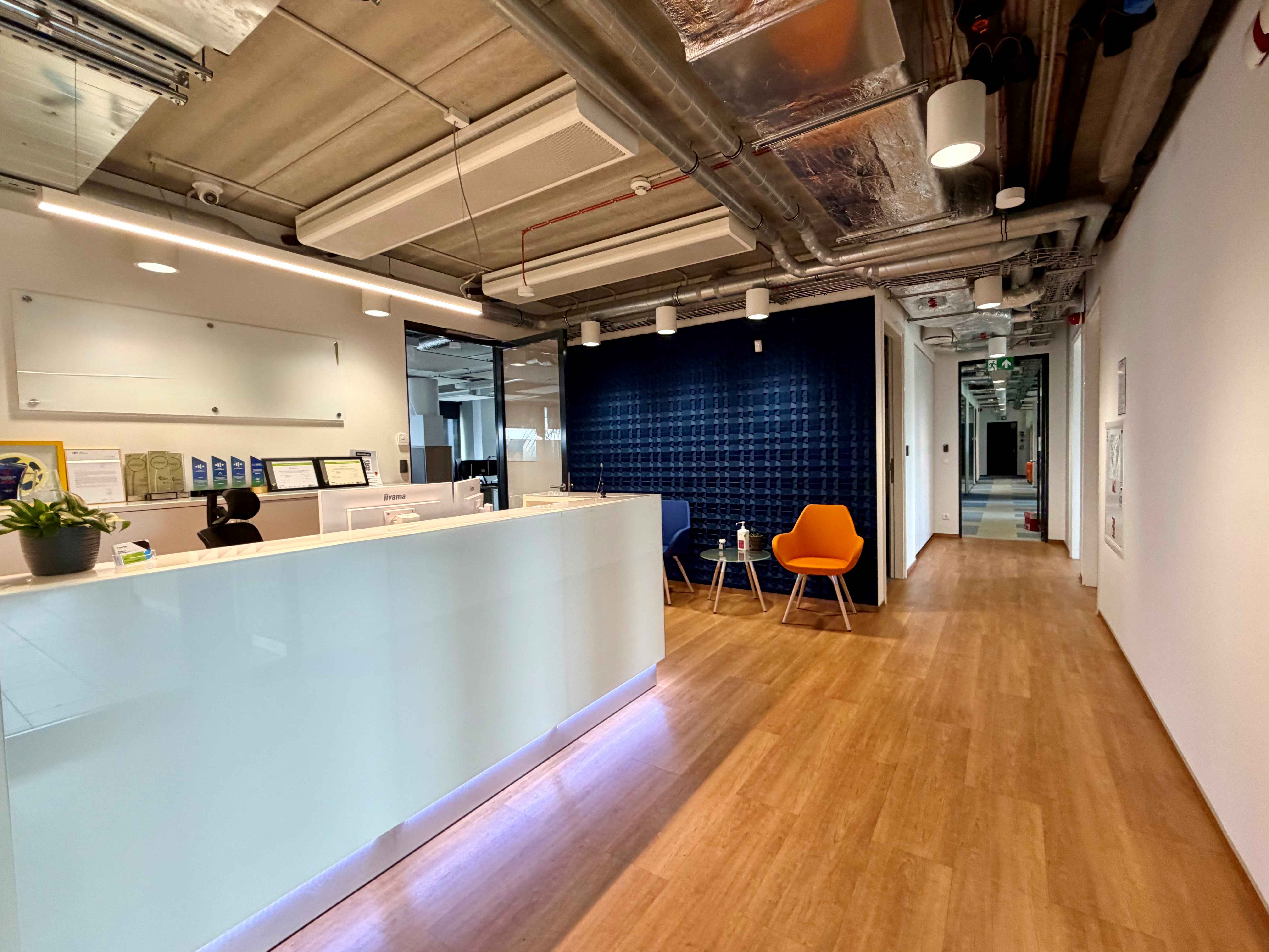
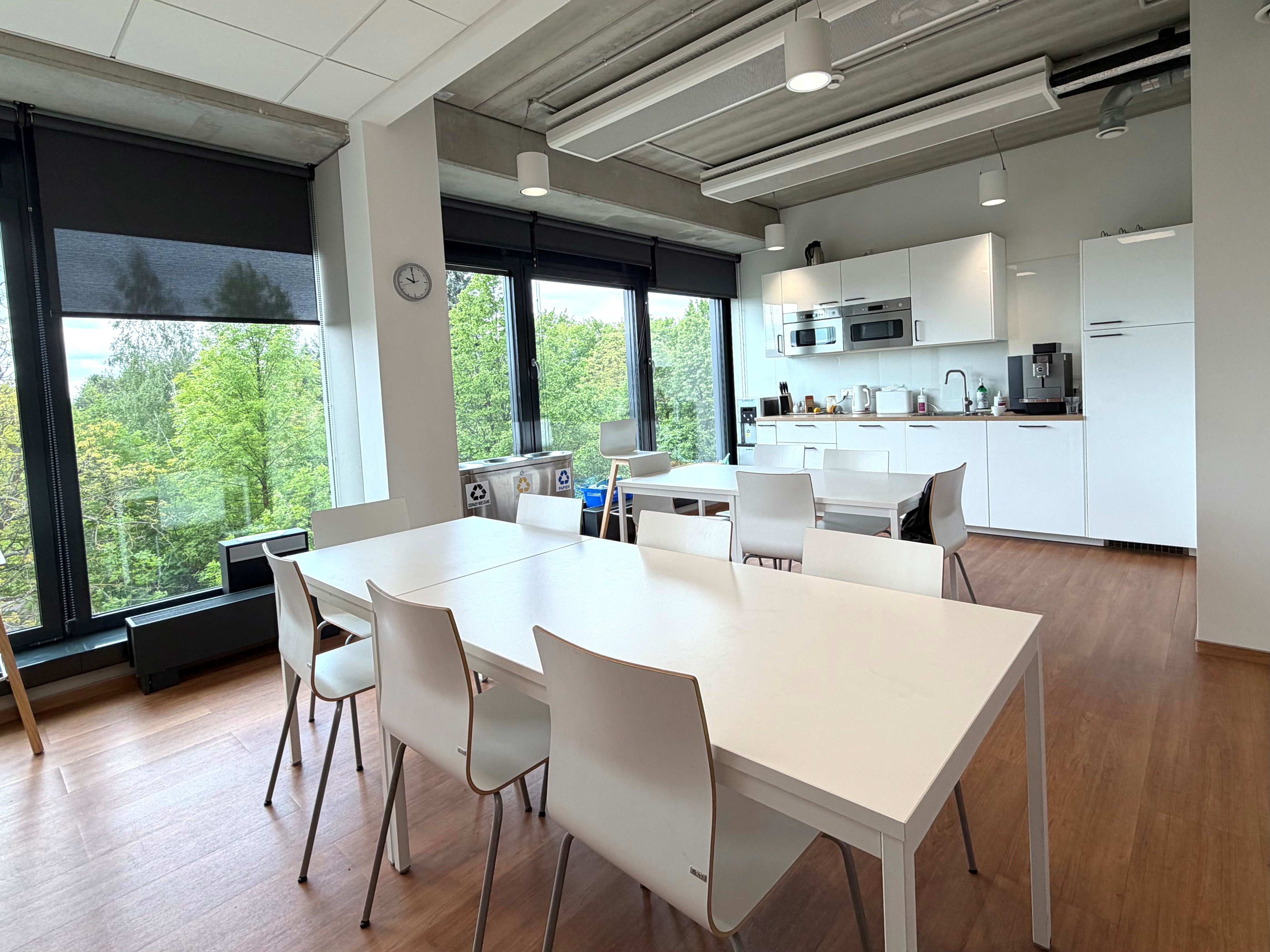
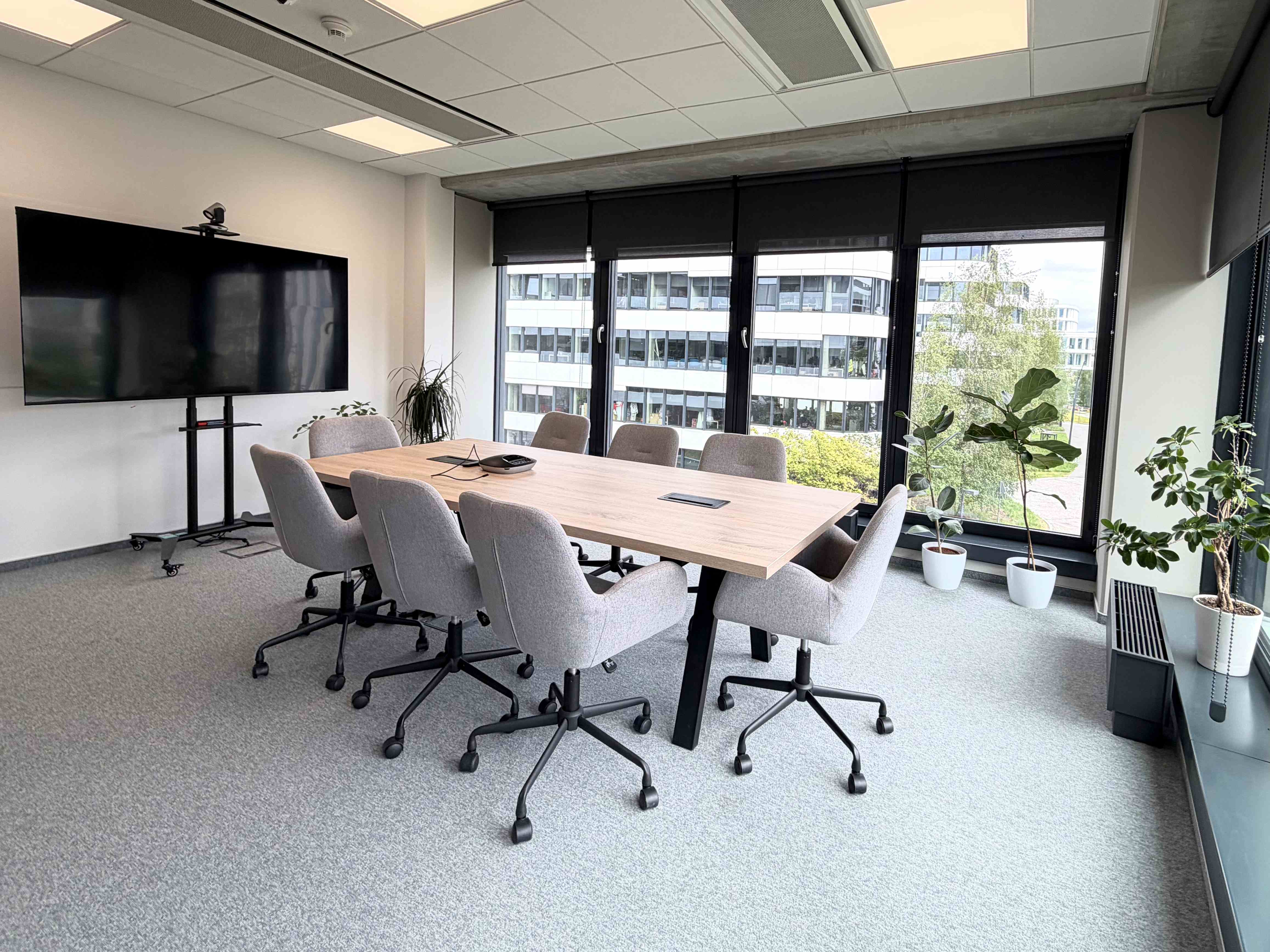
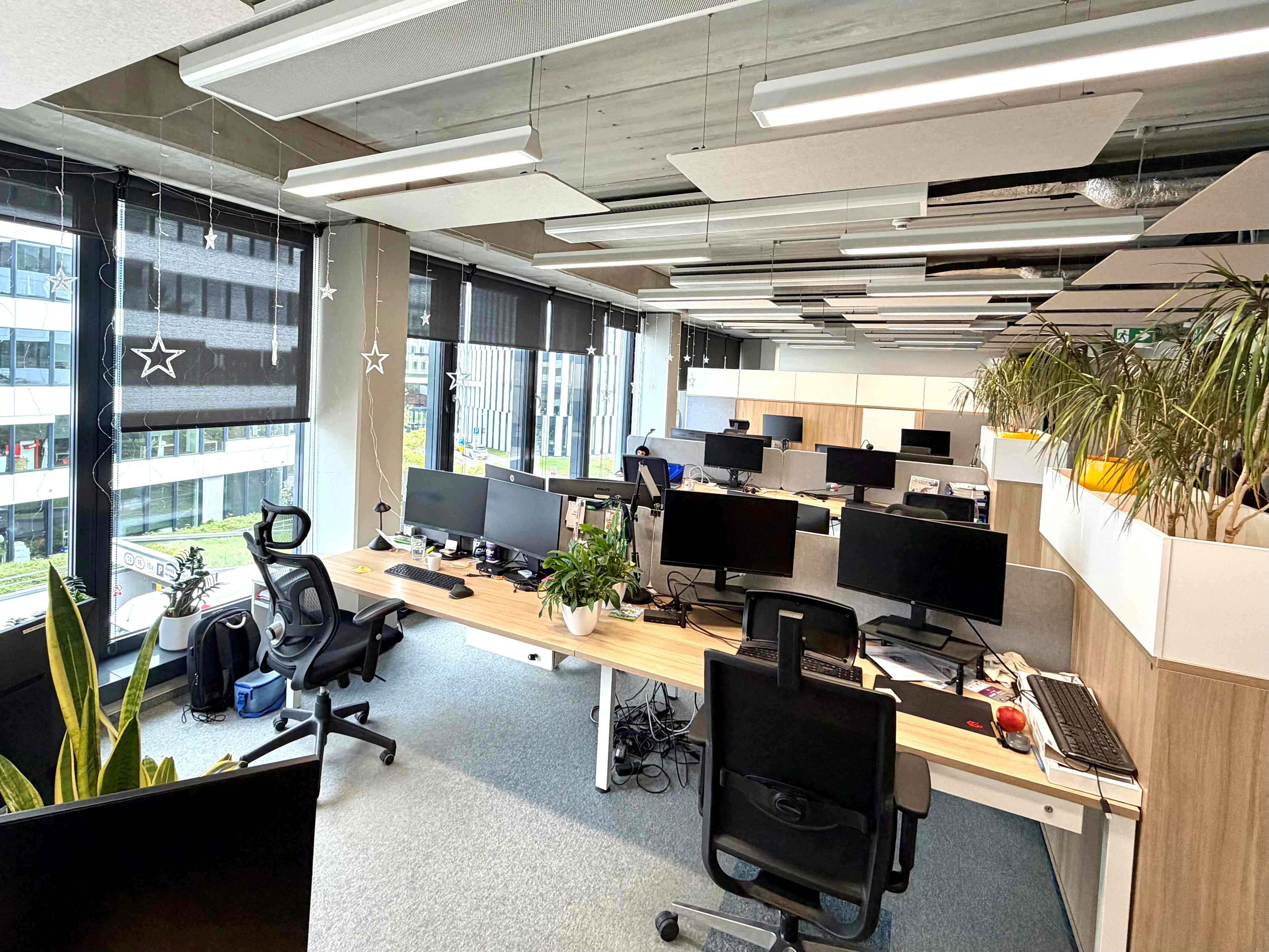
PROJECT OVERVIEW
Greater Possibilities Without Changing Address
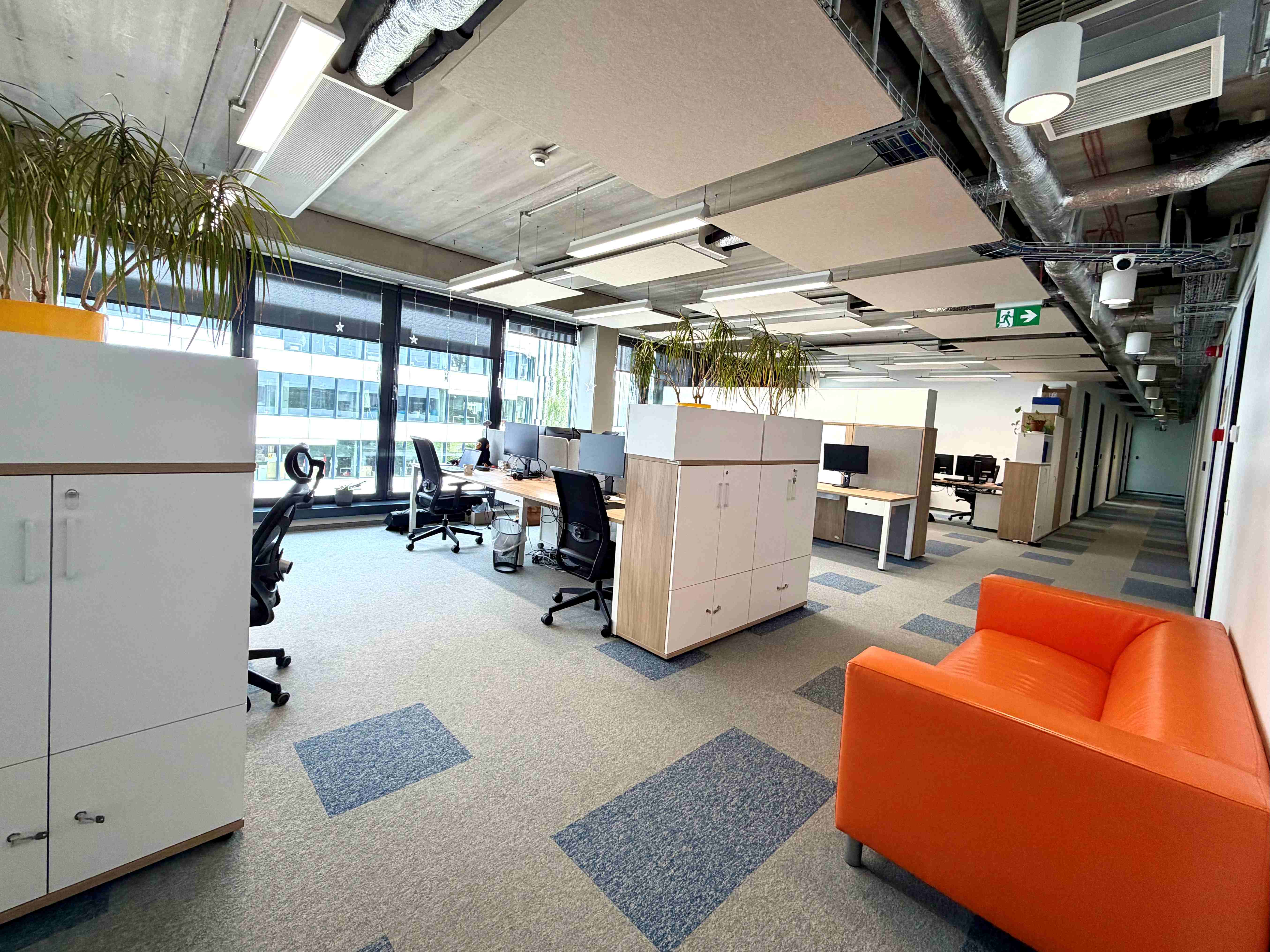
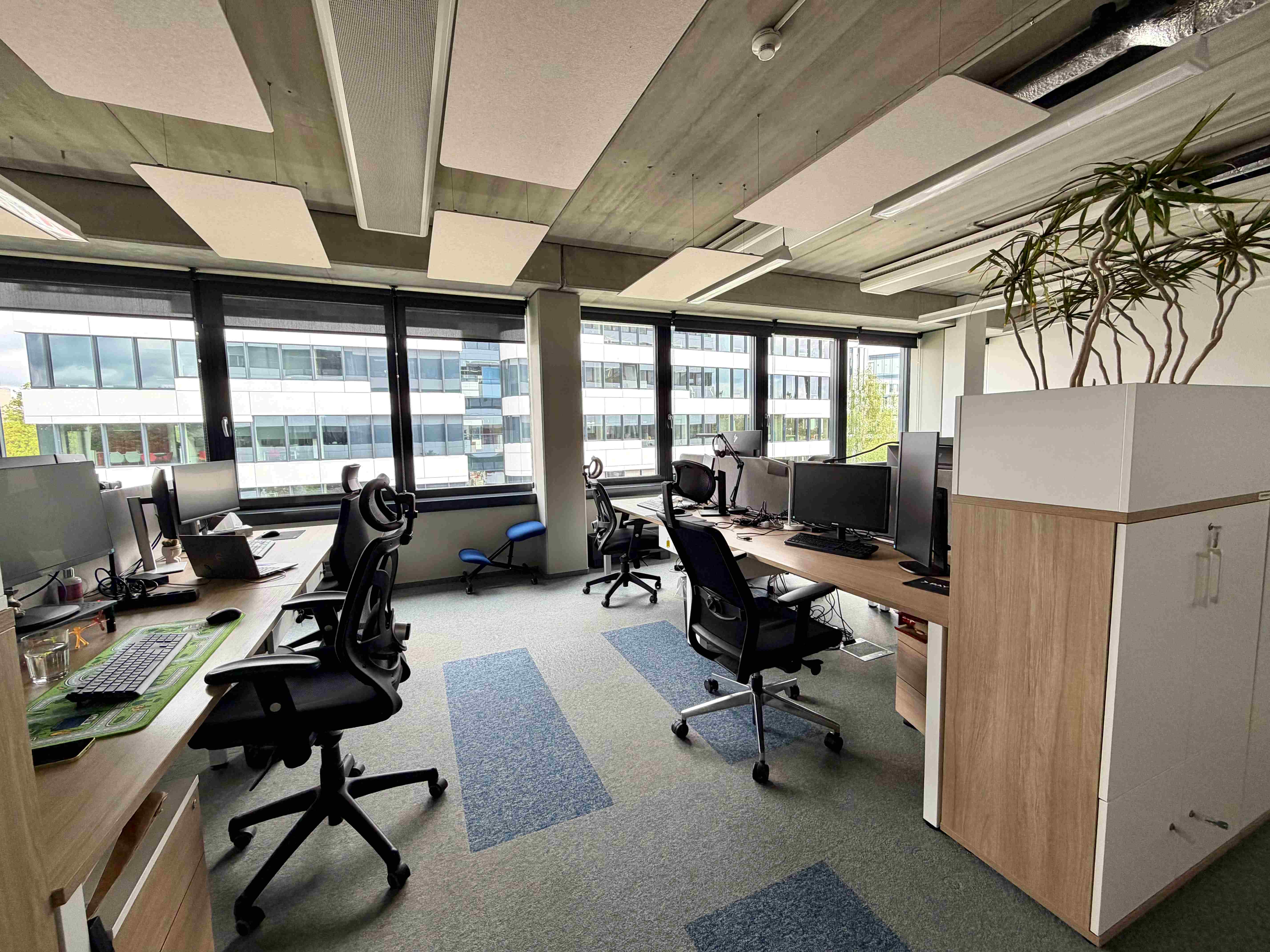
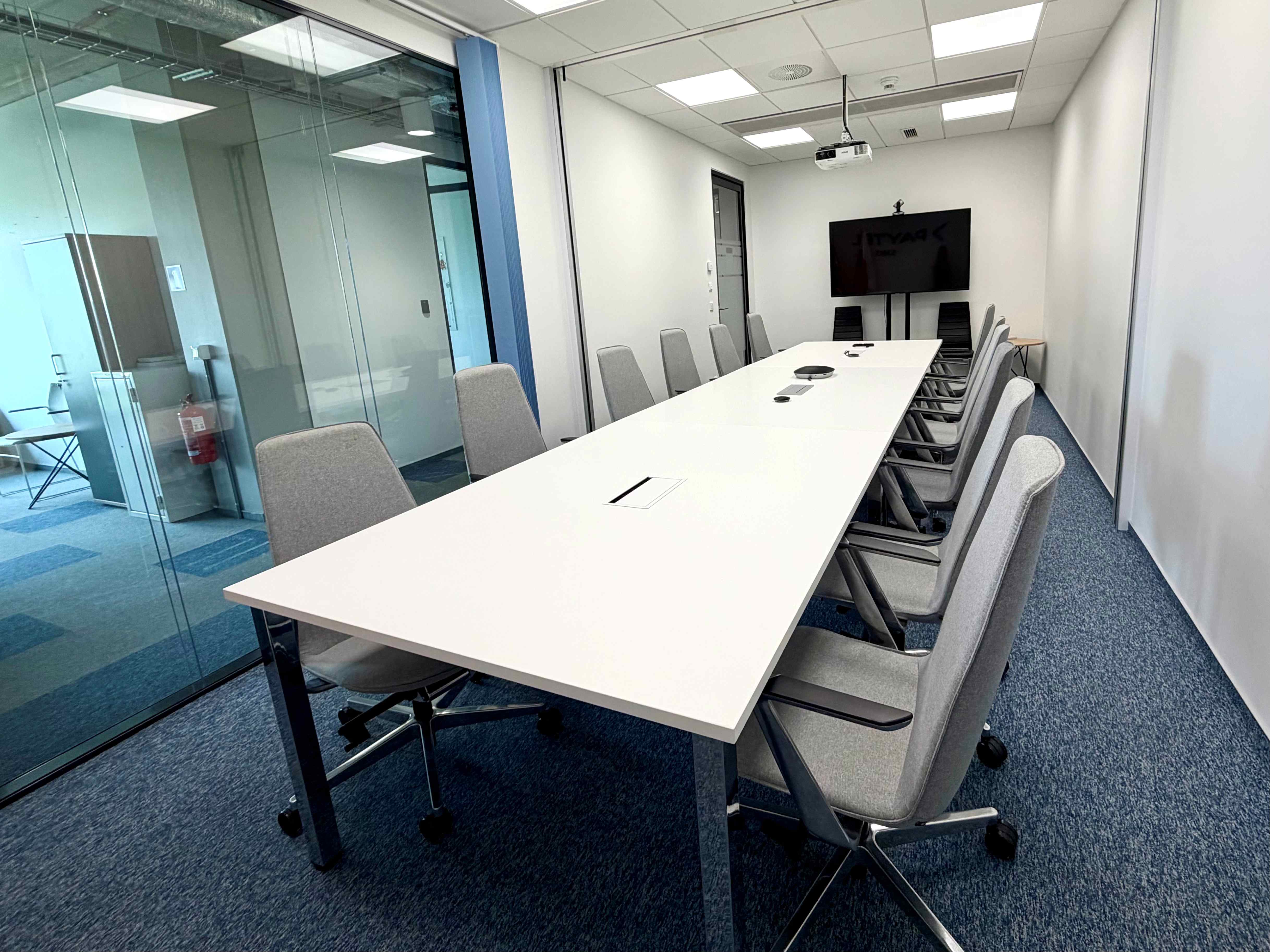
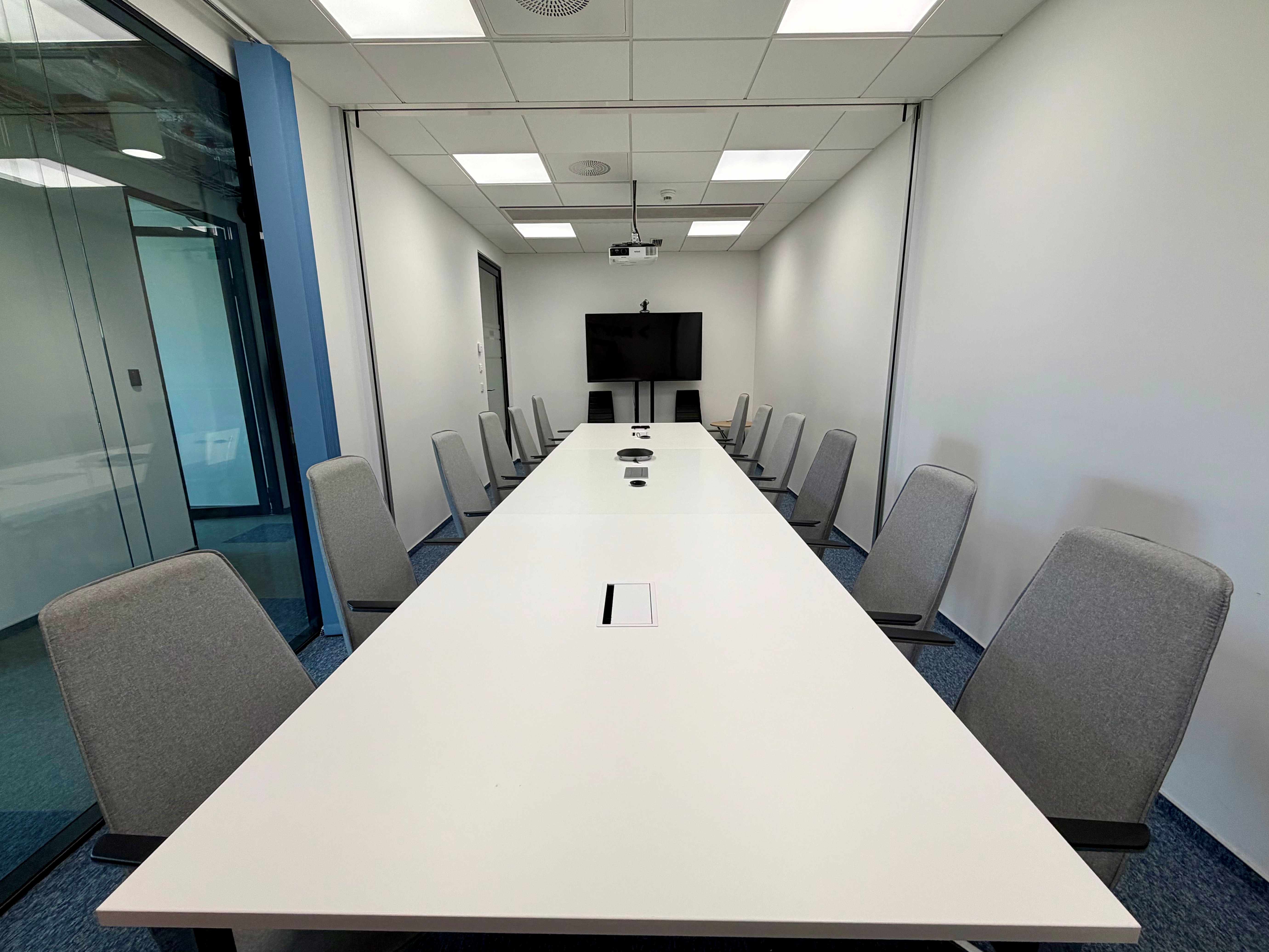
PayTel needed to adapt its office to accommodate a growing team and a hybrid working model. A workplace analysis made it possible to redesign the office layout, increase the functionality of the space and avoid a costly relocation.
As PayTel’s team continued to expand, its existing office space no longer met the organisation’s needs. The client faced a key decision: remain in the current building and adapt the office to new requirements, or begin searching for a larger space in a different location.
The starting point was a thorough analysis of both scenarios. The team valued the existing building and location, which made staying in the current office the preferred option. However, this required answering a critical question: how to accommodate more employees without increasing the occupied area?
Challanges
Organisational Growth Without Changing Location
The existing office layout was no longer suited to the growing number of employees or to the way the team used the office under a hybrid working model. Simply adding more workstations would not have solved the issue and could have negatively affected workplace comfort. It was therefore necessary to analyse how the space was actually being used, employee presence on different days of the week, and the demand for various types of work settings. It was equally important to carry out the changes without disrupting the company’s day-to-day operations.
Solutions
A Data-Driven Workplace Strategy
We began the process by analysing the existing office space and the organisation’s working model. The workplace study covered, among other areas, data relating to hybrid work patterns, workstation utilisation, the needs of individual teams and the functions performed within the office.
The results showed that remaining in the existing building was possible, provided that the functional layout of the space was changed. Based on the recommendations, solutions were developed to make better use of the available area and create space for the growing team. The office was rearranged to respond both to the needs of employees and to changing office attendance patterns resulting from hybrid work.
BENEFITS
Greater Functionality and No Relocation Costs
The new office layout enabled PayTel to accommodate its growing team without the need to relocate. The space was better aligned with the real needs of employees, improving its day-to-day use and creating conditions for the organisation’s further growth.
The client was able to remain in its existing location while avoiding the costs and risks associated with searching for a new office, relocation and move coordination.
The team responsible for the project
-

Tomasz Krawczyk
Senior Business Development Advisor
-

Kamila Królikowska
Associate Director